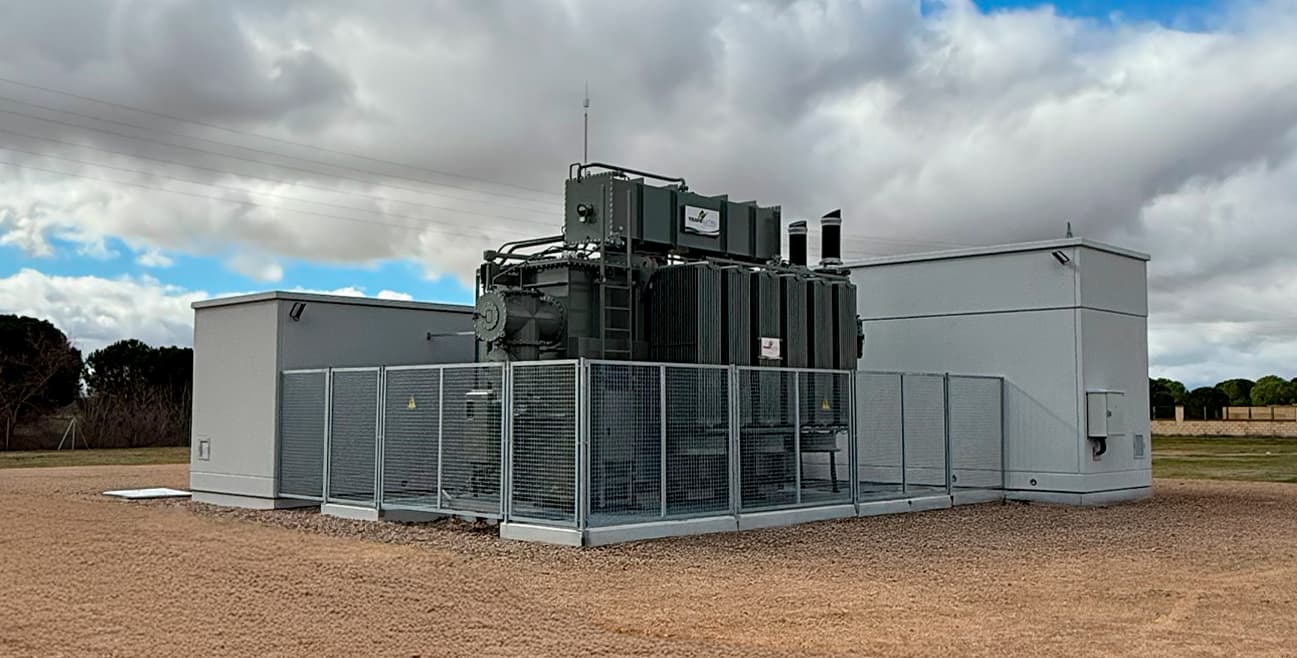
In utility-scale projects across sectors such as BESS, solar PV, wind, heavy industry, data centers, or hydrogen production, a compact substation helps reduce installation timeframes, simplify engineering, and optimize land use compared to a conventional substation. MEINS’ CSET concentrates high-voltage and medium-voltage equipment in prefabricated concrete modules and is designed to accelerate commissioning while increasing robustness, quality, and supply reliability without compromising safety.
Why are compact substations becoming more relevant in 2026?
The energy transition is pushing investment funds, developers, EPC contractors, engineering firms, and procurement departments to deliver electrical infrastructure under increasingly demanding timelines. In this context, traditional substation models usually present three common frictions: greater civil works complexity, more coordination between suppliers, and a larger installation footprint.
The market response is moving toward industrialized and modular solutions. That is why MEINS is strengthening its compact substation offering with CSET, an architecture based on a new infrastructure construction concept for high-power projects that require fast execution, factory-controlled quality, and lower exposure to on-site risks.
What is MEINS’ CSET and how does it differ from a conventional substation?
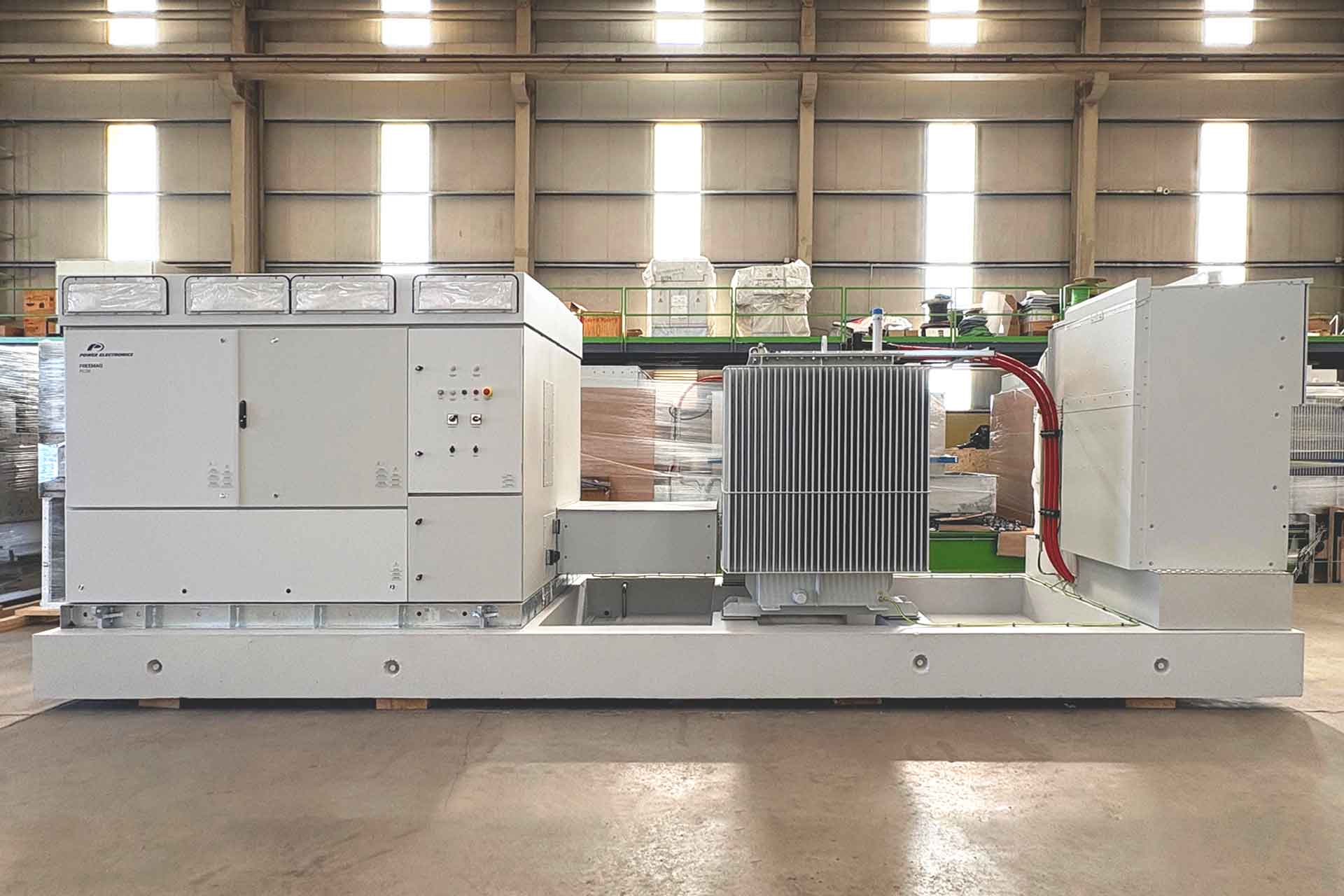
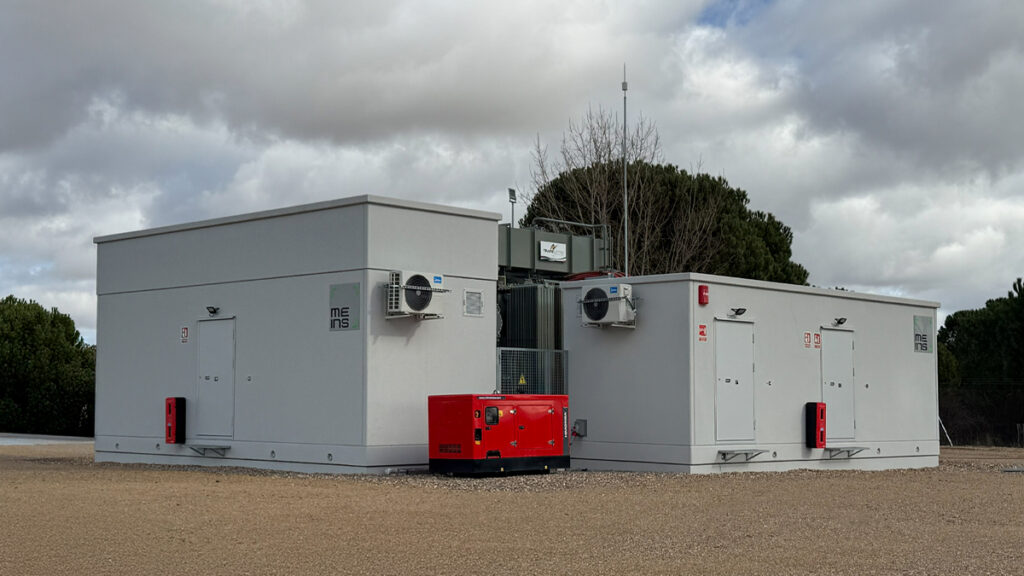
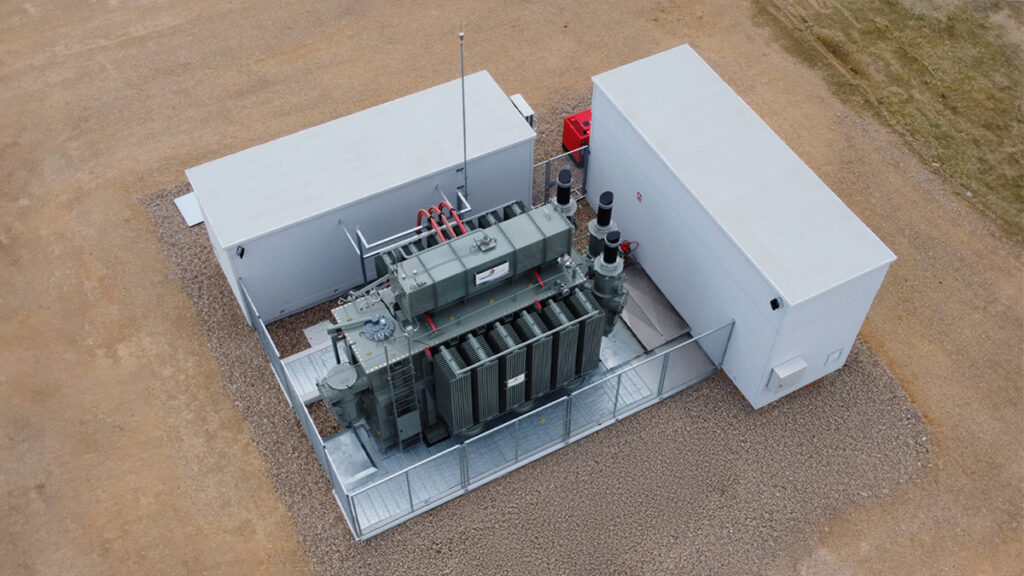
The CSET (Compact Substation Energy Transformer) is a modular compact substation in which high-voltage and medium-voltage equipment is integrated into prefabricated concrete modules. The power transformer is installed outdoors on a structural foundation designed to support the entire system and contain the full volume of cooling fluid in the event of a spill, with a spark arrestor system that helps prevent the spread of a possible fire.
Compared to the traditional scheme, where equipment is usually more dispersed and on-site coordination is more demanding, this approach reduces interfaces, simplifies assembly, and improves project control from manufacturing through commissioning.
Key technical features of the CSET compact substation
- Modular puzzle-type design for fast and flexible assembly.
- Up to 100 MVA per transformer.
- Grid connection up to 138 kV.
- High-voltage and medium-voltage equipment integrated indoors.
- Prefabricated concrete modules to enhance quality, durability, and robustness.
- Plug-and-play concept aimed at significantly reducing complexity and unforeseen issues on site.
How does the CSET reduce installation time?
In a conventional substation, the combination of civil works, electromechanical assembly, supply chain coordination, and testing can extend the overall project timeline to between six and ten months, depending on the scope and configuration. The CSET is designed to shorten this bottleneck through an industrialized construction process based on modules previously assembled in the factory and subjected to the corresponding quality and functional tests.
According to the configuration described for this system, a complete installation can be executed in 14 to 21 days, while a 100 MVA solution can be installed in around seven days for the unloading, electromechanical installation, and functional testing phases, with an additional week previously required for civil works execution.
For developers and EPC contractors, this reduction in timeframe has a direct impact on grid-connection milestones, the project’s financial model, quality assurance, and a drastic reduction in the project risk matrix.
How much space can a compact substation save?
The CSET design can reduce the installation footprint by up to ten times compared to a conventional substation. This advantage is especially relevant when the project faces land constraints, environmental conditions, or the need to integrate electrical infrastructure into an already optimized plant layout.
The indoor compact integration of HV and MV equipment, together with the system’s modular logic, also enables more orderly integration in renewable, industrial, urban, or hybrid environments.
CSET applications in energy and industrial projects
The CSET is designed for high-power electrical infrastructures where timeframe, space, and supply reliability are critical variables. Its main applications include:
- Utility-scale solar PV plants.
- Wind farms.
- BESS and energy storage systems.
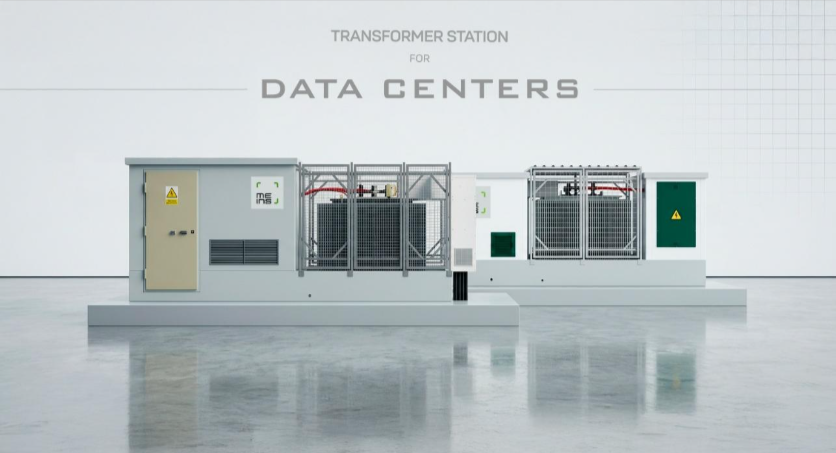
- Data centers.
- Heavy industry.
- Infrastructure linked to hydrogen production.
- Hybrid configurations combining renewable generation and storage.
Its modularity also makes it possible to accommodate future expansions or specific adaptations depending on project requirements, local regulations, or the asset’s operating strategy.
Technical comparison: compact substation vs. conventional substation
Strategic benefits for investment funds, developers, EPC contractors, and engineering firms
- Faster execution to meet energization and grid-connection milestones.
- Lower coordination and logistics complexity compared to traditional schemes.
- Greater quality control through manufacturing and testing in a controlled environment.
- Optimized land use for assets with limited available space.
- Lower operational risk during installation and assembly.
International expansion and regulatory adaptation
After its initial deployment in the Spanish market, MEINS’ strategy is to adapt the CSET to different high-voltage regulations, grid specifications, and technical requirements for international projects. This adaptability is key to replicating the solution across geographies with different needs without losing the industrialized logic that defines the product.
MEINS is currently in the construction phase of 12 CSET-type compact substations in Spain and Guatemala, while also formalizing new contracts not only in those countries, but also in markets such as Germany, Poland, and Romania.
Conclusion
As Alejandro González, CEO of MEINS, points out, “our compact substation product, CSET, is no longer just a construction alternative, but a concept for building infrastructure.” This statement is supported by the fact that, in many projects, the CSET value proposition is becoming a strategic and decisive choice for achieving technical, financial, and contractual viability. When the goal is to reduce timeframes, save space, and control execution risks, solutions such as MEINS’ CSET offer a clear advantage over conventional models.
Frequently Asked Questions about Compact Substations
What is a compact substation?
It is a compact and modular electrical infrastructure that integrates high-voltage and medium-voltage equipment into a prefabricated solution, with a smaller footprint and significantly lower land occupation than a conventional substation, while also offering lower installation complexity and a more favorable financial model for developers and investment funds.
What advantages does it offer compared to a conventional substation?
It reduces execution timeframes, simplifies engineering and logistics, improves quality control, and lowers exposure to on-site risks.
In which projects can a CSET be installed?
In solar PV plants, wind farms, BESS systems, data centers, heavy industry, hydrogen-related infrastructure, and hybrid configurations.
What power and voltage levels can it support?
The configuration described for the CSET supports up to 100 MVA per transformer and grid connection up to 138 kV.
How long can installation take?
Depending on the configuration, a compact substation of this type can be installed within a range of 14 to 21 days, including civil works execution.
Why is modular design a key factor?
Because it speeds up installation and system integration, reduces on-site interference, and allows the solution to be adapted to specific project requirements as well as future expansions.
Need a compact substation solution for your next energy or industrial project? Contact the MEINS team to discuss technical requirements, timelines, and the most suitable configuration for your installation.